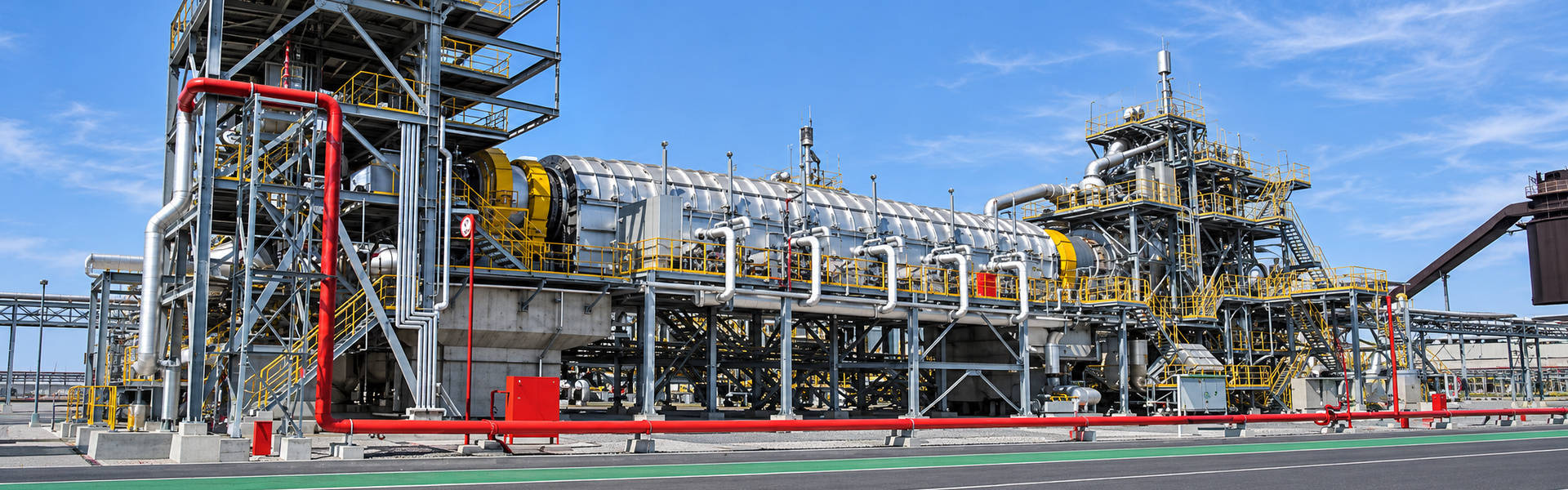
Types of Rotary Kiln
The kiln is a single machine with two decisive variants — how it is heated, and which way the gas flows.
Direct-fired kilns
The flame or hot gas contacts the material directly. This is the workhorse for cement, lime and minerals, where high temperatures and a simple gas path matter most. Direct firing transfers heat efficiently, but the process gas mixes with the material, which rules it out wherever the product must not be exposed to oxygen or combustion products.
Indirect-fired kilns
Heat is applied to the outside of the shell and conducts through the wall, keeping the process atmosphere completely separate from the heat source. Indirect firing is the choice for pyrolysis — tires, plastics and biomass must be heated to cracking temperature without oxygen, so the kiln is externally heated and run under an inert or reduced-oxygen atmosphere.
Co-current and counter-current
Gas and material can move the same way (co-current) or opposite ways (counter-current). Counter-current is more thermally efficient, but co-current keeps the hottest gas in contact with the wettest feed, which suits drying and processes sensitive to temperature spikes. The choice is a process decision, not a default.
Rotary kiln vs. the alternatives
Against a fluidised bed, the kiln trades precise gas-solid contact for far higher tolerance of a variable, coarse feed. Against a batch retort, it trades simplicity for continuous throughput. For the large, steady streams that industrial operators actually handle, the kiln is usually the engineering answer.