Home › Plastic Pyrolysis in a Rotary Kiln
Plastic Pyrolysis in a Rotary Kiln
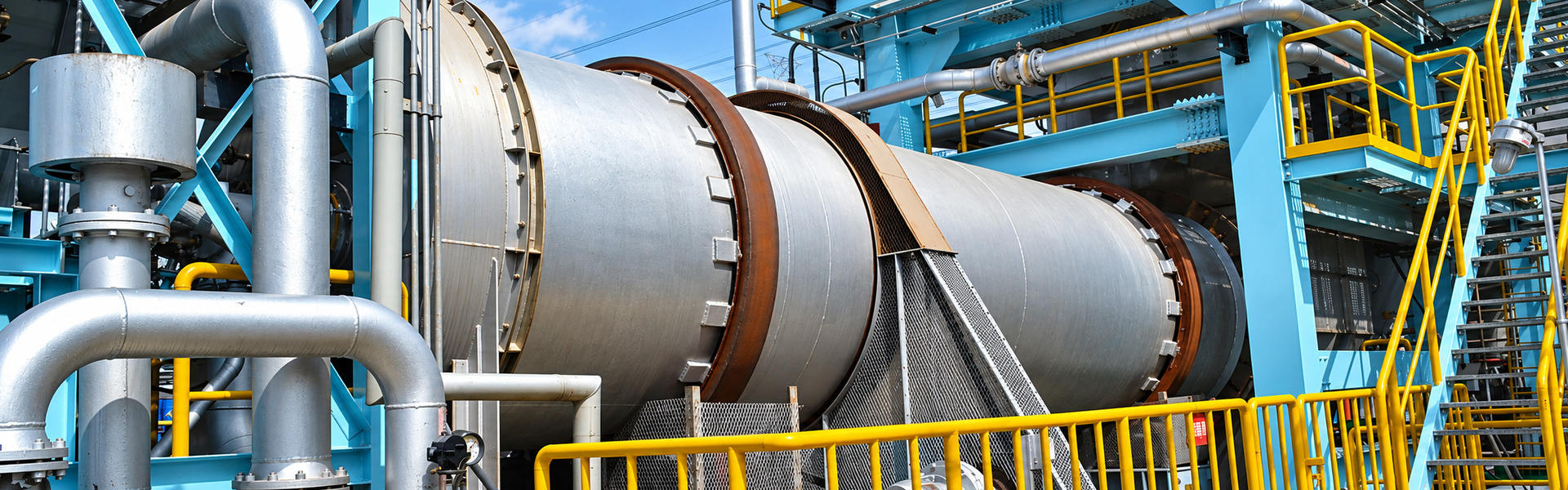
An oxygen-free rotary kiln heats waste plastic to roughly 400–500 °C, cracking long polymer chains into a fuel-grade diesel plus recoverable gas and carbon char — a route for the plastics no mechanical recycler will take.
What it processes
Polyolefins — polyethylene, polypropylene and polystyrene — work best, and the feed does not need washing or sorting. PVC and PET are kept out: their chlorine and oxygen-rich chemistry make them unsuitable. That tolerance for contaminated, mixed plastic is the kiln's advantage in this application.
What it produces
The primary product is a fuel-grade diesel; a non-condensable off-gas is fed back to power the process; and the carbon char is separated and handled safely. Cleaner feedstock means higher yield — the simple operating rule.
Want the detail for your process? Contact Rotary Kilns.